
bazaari

“Bazaari!” A man yells from the street below our windows, his voice hoarse and measured.
The word has a number of meanings - for most people, an open-air market of everything from apples to knock-off jeans and cartons of cigarettes - for others (criminals and trash talkers) it can mean “for sure” or a conversation.
This man has bags of carrots and onions and potatoes to sell at prices cheaper than anywhere else. No one from the building wanders down to buy anything.
Sometimes the market comes to you, sometimes you go to the market.
I am walking to Dezerter’s Bazaar on a rainy weekday to buy some sumac, crossing a river that is all murky water staring back up at me. The bazaar has no hard border, more a sprawl of dimly lit corridors, a streak of blood on the slippery floor, a naked light bulb and piles of anything and everything.
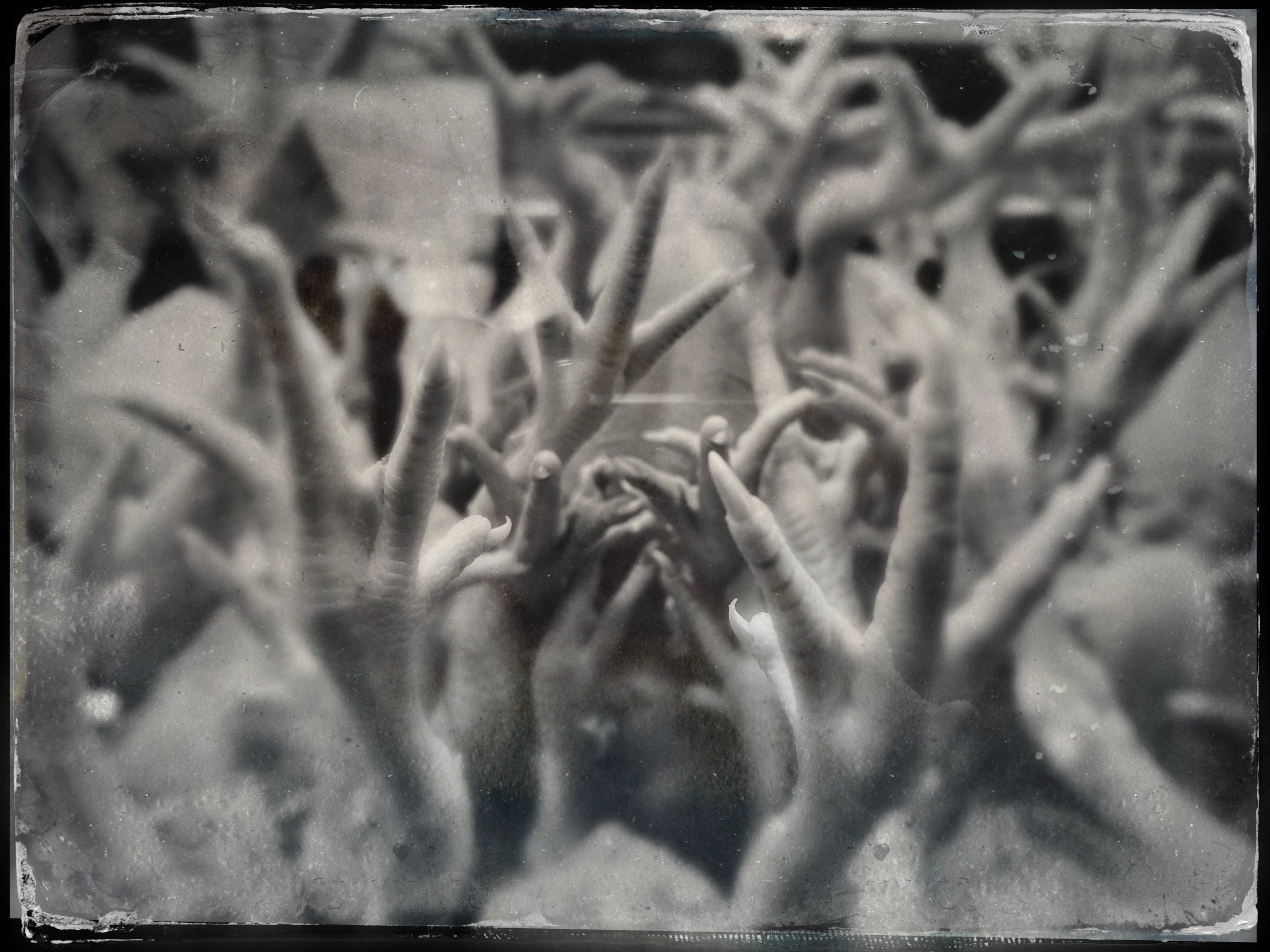
In the center, there are acres of sellers playing cards with impossibly long ashes dangling from the ends of cigarettes tucked in the corners of their mouths. There is a makeshift bathroom behind a series of live chicken cages. It costs 40 tetri (a little more than a penny) to take a pee. Somehow an old piano has been shoved into a stall and children bang away at the black and white keys so out of tune they are their own language - but joyous fun for their little fingers, next to stacks of honey in recycled pickle jars and fresh wheels of cheese.
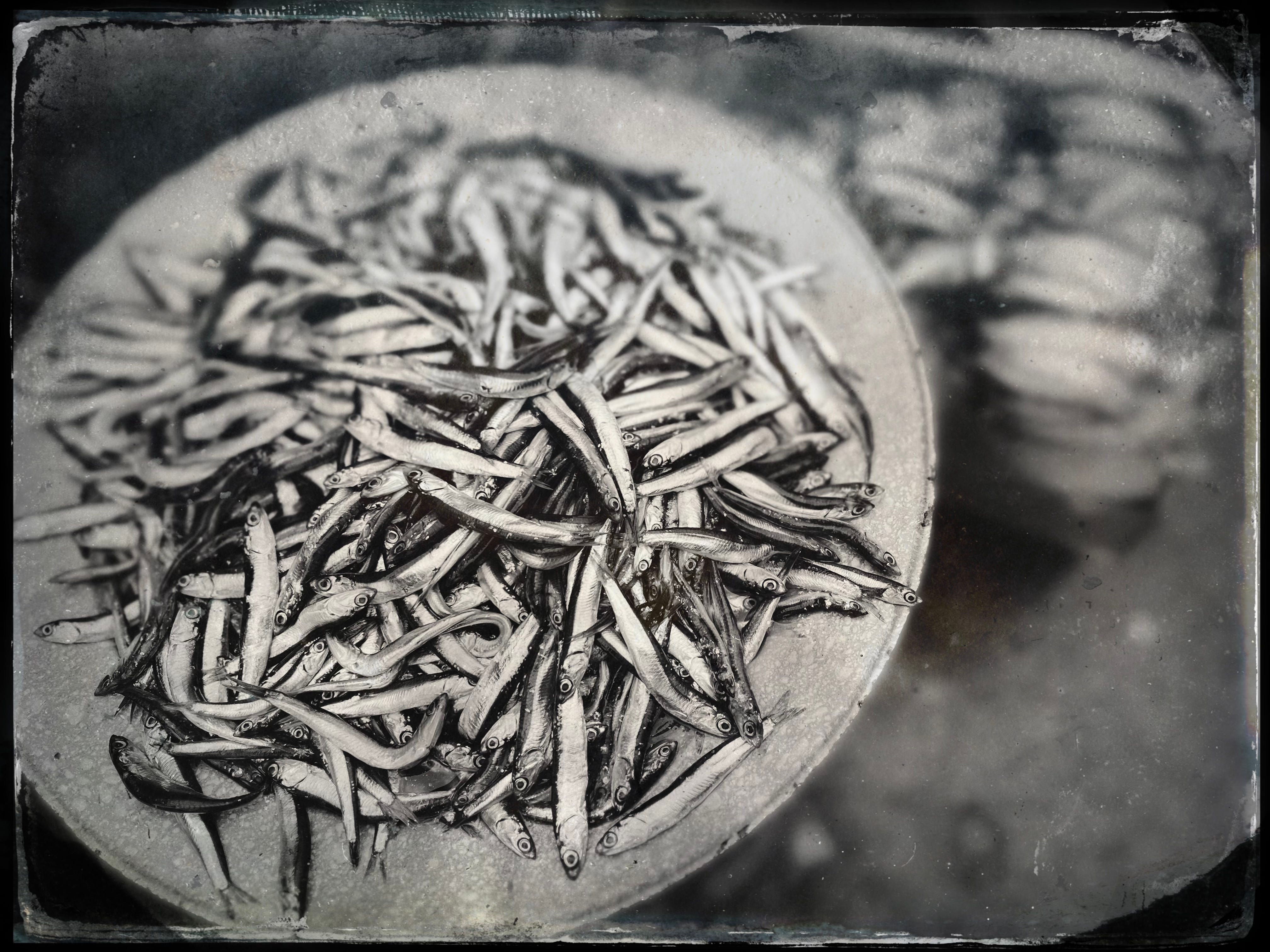
There are shiny wet piles of little fish next to perfect walnuts next to fake Nike sneakers. There is a lot of hard selling, a lot of waving of hands trying to flag people down. The first smell that runs up you is sour pickles - not just nubbly little cucumbers but whole heads of garlic, green tomatoes, wedges of cabbage stained red, garlic scapes - but there is no vinegar used in their making, just salt and water and wild herbs (raspberry leaves and garlic) and time. Lactic fermentation swirls in the air, just shy of visible. And then there is the second wave, the perfume of fish guts and cat piss, wet plywood soaked in the rain, swollen and foul. Baskets of beautiful fruit stare up at you, pomegranates ripped in half like an earthquake broke them apart, their insides all rubies. There are dried persimmons hanging in garlands, a hefty chunk of string passed through their stems, and they look like they have been dipped in powdered sugar, decorated with the magic dust of invisible fairies.
There are great fishtanks crammed with carp turning slowly in gray-green water, just like a window in Chinatown back in New York.
I remember coming to Tbilisi on those first trips some fifteen years ago and how there were bazaars all over the city back then, some big, some small. We came here to this very same spot and I saw a barefoot gypsy girl not older than seven with a newborn baby dangling from her elbow that was crying and crying as they weaved in and out of traffic outside the market begging for food or money. The lights changed from green to red to green and no one ran them over, and no one opened their window even though it was a sweltering July afternoon. Back then, this market was the one you did not want to go to - it was too sad, too broken a place. It was not the sweetest part of the city, but here it was, rain or shine. The name dezerters comes from a war with Russia in 1921 - and yes, some soldiers did indeed desert their posts, and sold their guns here. And now, almost 100 years later the world does not seem so different. The same tomatoes, the same ugly months, the same wild acts of sacrifice and self-preservation.
These corners of the world all make me think of Brooklyn - not the real Brooklyn but that odd, ugly fairy tale that I nurtured and held tight for so long. The salty words and the money grab, the defeated inevitable end of the day and the secret bottle that comes out from behind the counter with some homemade something that is strong and meant to be shared. Something you drink together.
Bazaari.
https://youtu.be/NF_HjVmdHmk?si=SNoLjSXHW9S-lu9u