
the small camera (to remember)

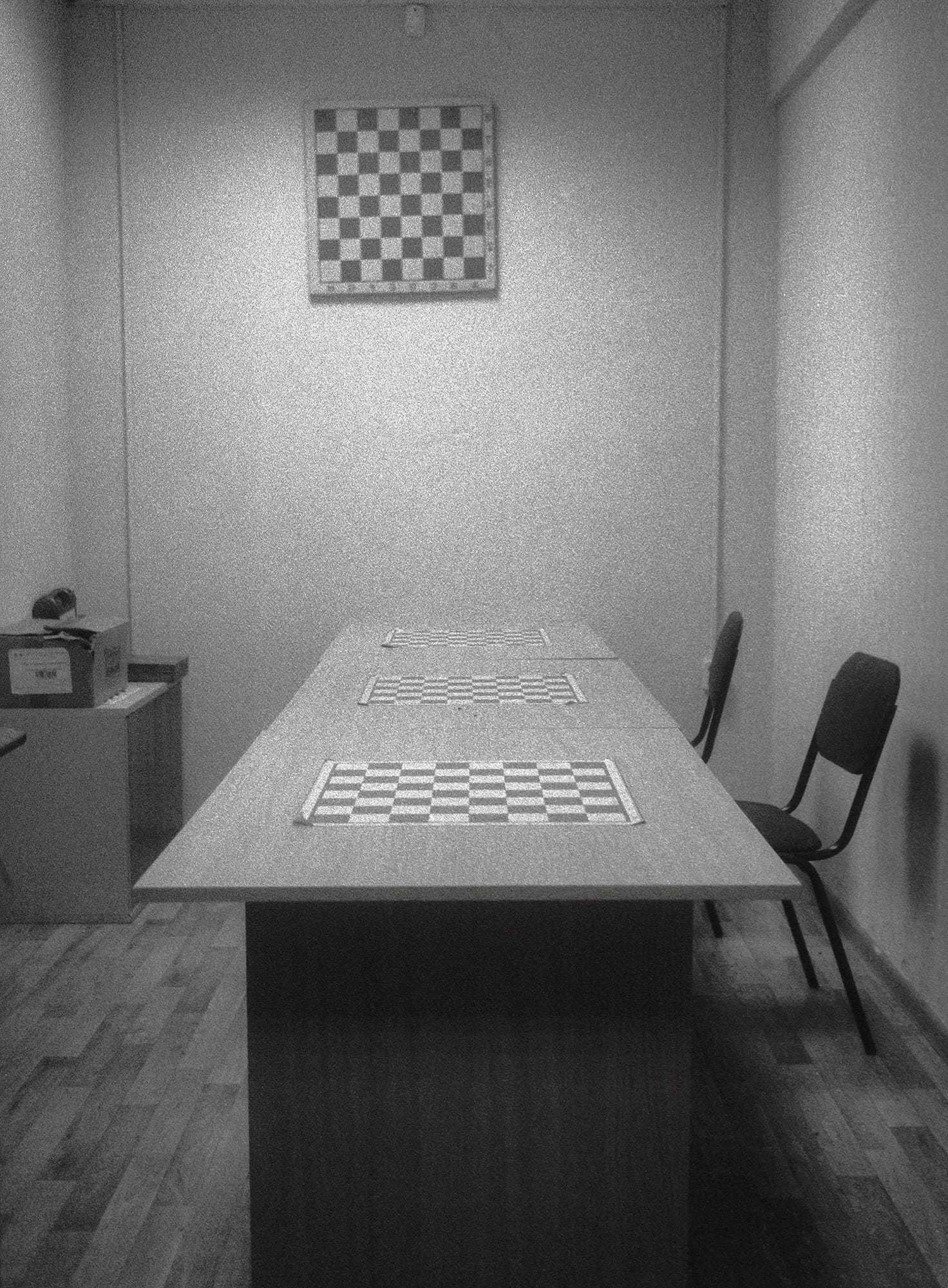
The small, heavy camera is cracked open. I almost forgot what lever needs to be released for this to be possible. A roll of black and white film is pulled from the canister, Agfa APX 400 - offering up the lightest scent, that familiar smell somewhere between new car and new guitar. A tongue of film is tucked into a roller, a few advances, a few clicks, and the door is tamped back in place. This is a half-frame camera, that lets me shoot about 70 exposures from one single roll. Small, grainy images - as simple as it gets. The camera was made in 1961, before I was born. No focus, no shutter settings, no battery, just the speed (sensitivity) of the film, and an understanding that anything closer than 4 feet will be not be in focus. This camera is a lesson in minimalism. Take away the options and you are left naked, with nowhere to hide.
I am thinking a lot these days about photography teachers that have left us, the one that died a week or so ago, and the one that died a good ten years before that. They were pithy and romantic, generous and foul-mouthed, and could have been stand up comedians instead. They were classmates at Yale, and friends.
The idea for this roll of film is to shoot tryptichs - to take not one image but three that stand next to each other in some effervescent conversation, some talking about rain pipes and graffiti and stray dogs, some talking about a set of dishes sitting on the curb next to the dumpsters, something about a child and their grandmother picking them up from kindergarten next to fences and bicycles left on their sides.
This pursuit is a half-hearted attempt to remain sane. This talking to the dead as the shutter clicks is a wish for easier times.
But here we are, and the streets are on fire.
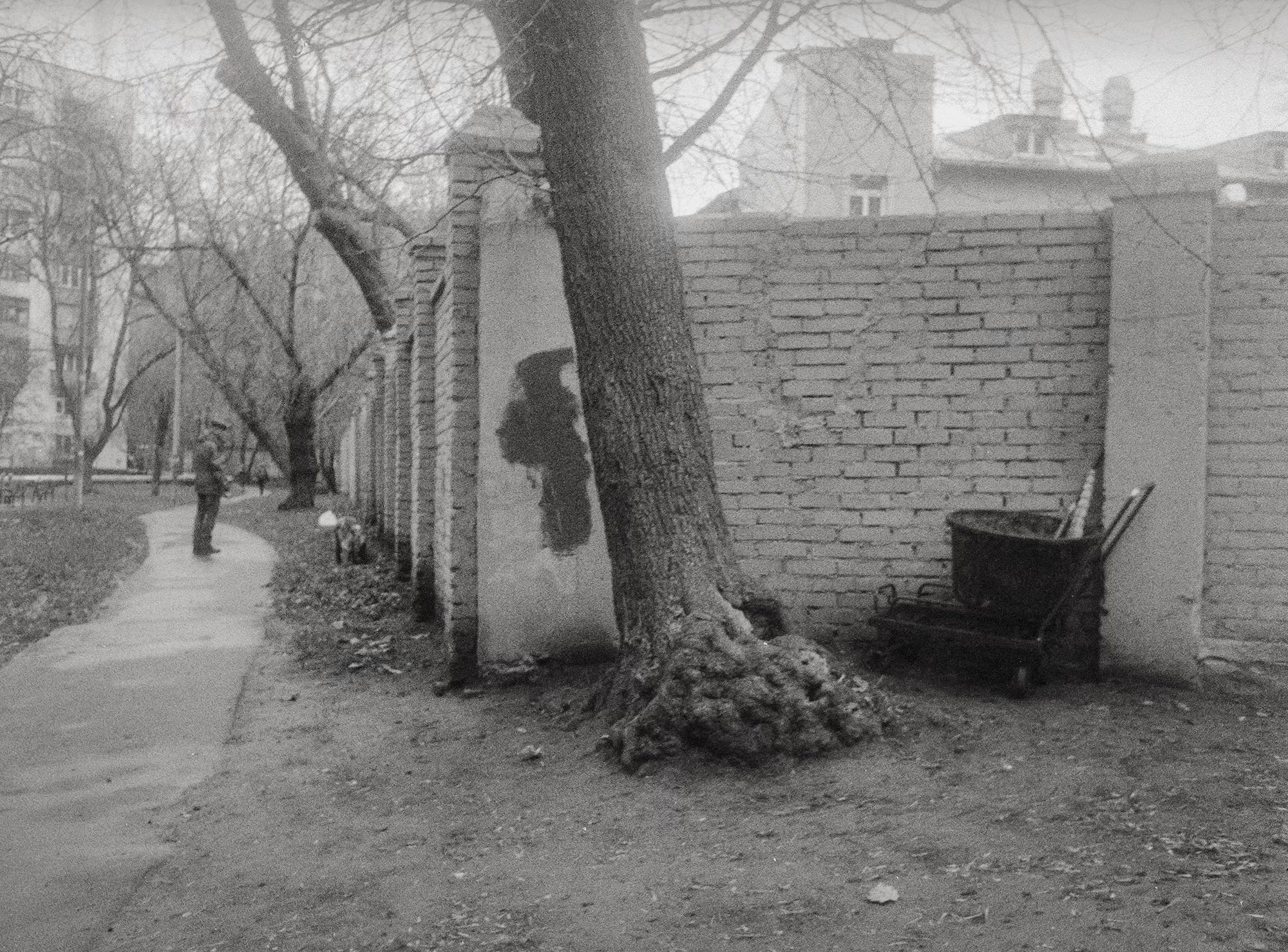
On Sunday afternoon, the heavy little camera sagging in my jacket pocket, I see a teenage girl. She is sitting on a great soft chair that is in the street, taking up a full parking space. A mirror leans against a building and she looks at herself in it, chattering on her phone. The sidewalk is littered with furniture - bed frames and wardrobes, a rug rolled up, leaning like a palm tree.
I cross the street and wait for traffic to slow, then try to shoot three images of her, inbetween the passing cars, convinced I am on to something. A man steps towards me, his hand out, telling me to stop. I know it is just some vague paranoia, a knee jerk reaction to anyone with a camera - I must be out to destroy them, that is the assumption in most of Eastern Europe. Cameras documenting wrong-doing, proof that is used to skewer them down the line. I wiggle the little camera around in the air, basically trying to say “come on, this is some old relic, not spycraft.” He hovers in the street. The girl is still oblivious, chriping away on her throne. I smile and laugh, waving my hands at her - trying to say I am documenting the folly, the joy of youth and nothing more. The man shrugs his shoulders and scratches his beard. I take two last frames and bow to him in thanks.
People can be so nervous, so worried, so full of assumptions. I wish that the odd joy of documenting, of witnessing what silliness it is to be human was something more familiar. We were all that girl sitting in the chair, while traffic swirled past us at some point in our lives. We just forget at one point. That is one thing cameras are for - to help us remember.
One of by best friends is a photographer. And like you he's very old school, has a lot of old cameras and develops his own prints. For many years he was a civilian assigned to the US Army as a photographer and archivist. You two could talk cameras for hours I'm guessing.